Posts

Showing posts with the label top tax attorneys in Los Angeles

How Does the 2026 'Unified Tax Year' Concept Simplify Filings for California’s Digital Nomads?

Image
  A transition to reduced tax headaches and enhanced admin efficiency, the 2026 tax season is a landmark change for California's increasingly mobile workforce. In the past, working remotely from Bali or Berlin would require some crisscrossing the screens in California in order to comply with residency “ audit triggers” as well as pacify mismatched tax calendars between California and other countries. But the Federal One Big Beautiful Bill Act (OBBBA) has passed the "Unified Tax Year" (UTY) plan. It is the concept that people with a "Golden State" domicile who work in other countries can flawlessly avoid double taxation and the most hassle-free route to a “zero liability” return. What is the 'Unified Tax Year' and why does it matter for Californians? By adopting a regulated change with a new calendar synchronized with an international income calendar from March 1 to June 30, the Unified Tax Year significantly improves the transparency of the tax ba...
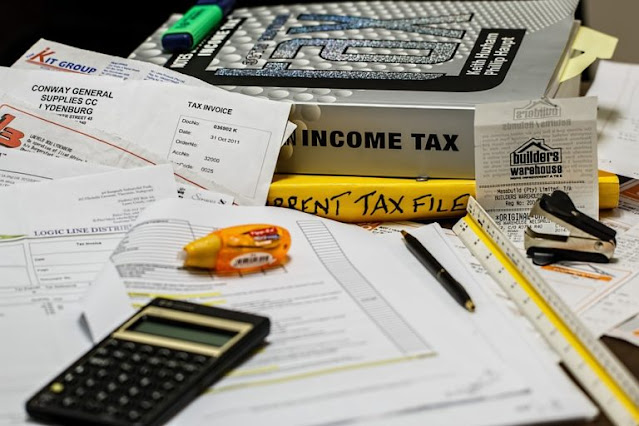
12 Tax Traps Unveiled: IRS Highlights the Latest “Dirty Dozen” Scams

Image
  Tax season always carries its own tension. Yet, fraudsters ramp up schemes as soon as filing deadlines loom. Every year, the IRS unveils its “Dirty Dozen”—a list of the twelve most dangerous tax scams targeting taxpayers and tax professionals alike. Recognizing these threats remains vital. Whether you file online or with help, awareness can save money, time and heartache. 1.       Email and Phishing Schemes: Beware the Bait Bogus emails, texts or social‑media messages impersonate the IRS or tax pros. They demand personal data or payment to “avoid arrest” or “ensure your refund.” A click can unleash malware or siphon sensitive details. Legitimate IRS communications won’t arrive by social media or demand immediate payment via gift cards. 2.       Ghost Preparers: Invisible and Illegal Some tax preparers offer unbelievably low fees—then disappear once they’ve filed your return. These “ghosts” won’t sign Form 1040 as required...